Red and Green Sichuan Pepper Are Not the Same Spice
Sichuan pepper is not pepper and it is not chili. It does not make food hot. It makes the mouth tingle and go slightly numb, which is a sensation rather than a flavor, and it is the half of “mala” that most cooks outside China never learn to control.
The problem in a kitchen is that there are two of them, sold under names that make them sound like color variants of one product.
The short answer
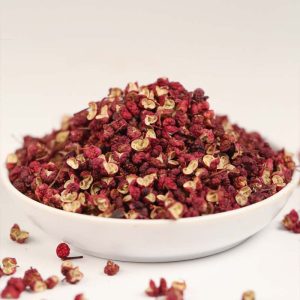
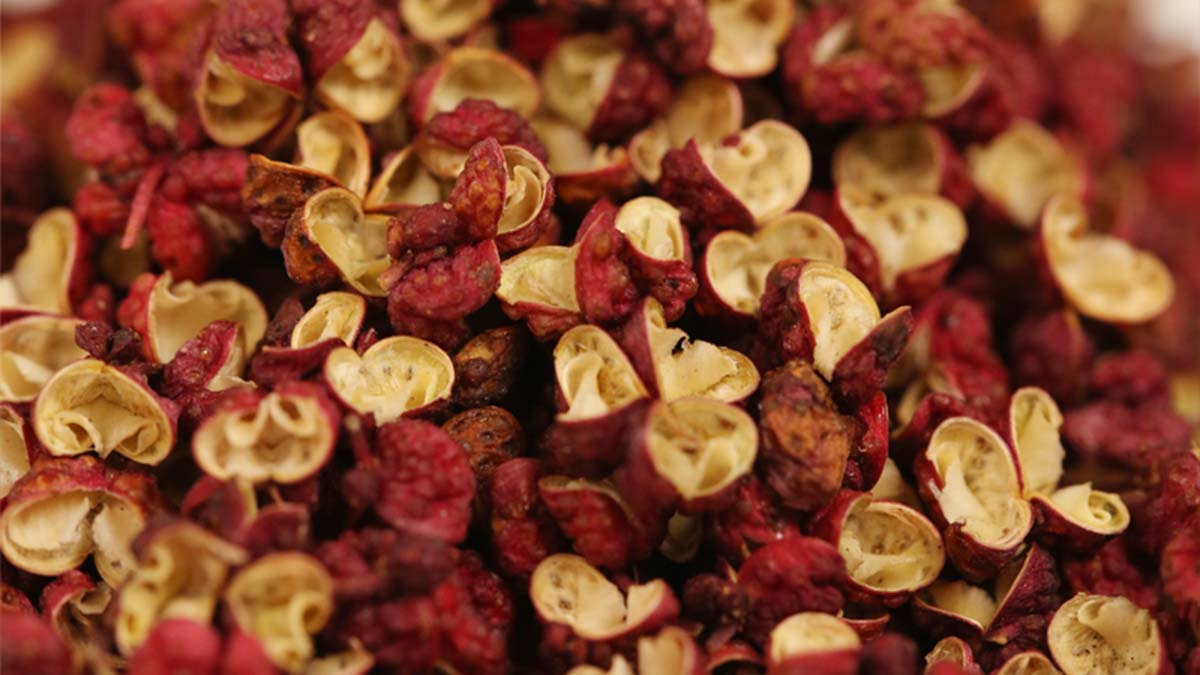
Red Sichuan pepper is the aromatic one. The numbing is clearly there, but it arrives alongside a warm citrus-and-wood smell. It belongs in braises, in a spice bag, in mapo tofu, in most of what people picture when they think of Sichuan food.
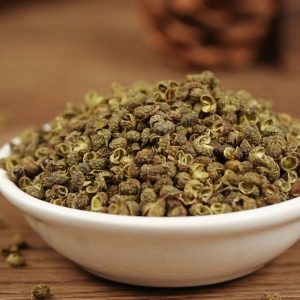
Green Sichuan pepper is the numbing one. Cooks in Sichuan and Guizhou call it majiao, the numbing pepper, because among the common types its tingle is the strongest. The aroma is brighter and more herbal, and it is the standard choice for fish dishes and for anything built around numbness rather than fragrance.
If you only buy one, buy red. If you cook fish, or a customer asks why your mapo tofu is not as electric as the one they had in Chengdu, buy green as well.
What Meihua means on a label
Red Sichuan pepper is often sold as Meihua, and buyers reasonably assume that is a place or a cultivar. It is neither.
Meihua means plum blossom, and it describes a selection rather than an origin. Peppercorns are picked out of ordinary red Sichuan pepper for appearance: husks that have opened well, often two or three still joined at the stem, which is where the plum-blossom name comes from. A well-opened husk is also the part of the peppercorn that carries the aroma and the numbing compounds, so the term is not purely cosmetic.
Chinese grading practice sorts Sichuan pepper on husk color, numbing strength, aroma and pod shape. Meihua sits at the top of what gets picked out by hand, which is why it costs what it costs. If a supplier uses the word, it is fair to ask them what they mean by it.
Why substituting goes badly
Swap red for green in a braise and the dish tastes thin and slightly medicinal. You removed the warm aromatic layer the braise was built on and replaced it with a sharper one that has nothing to sit against.
Swap green for red in a boiled fish and the dish goes flat. The numbing that was supposed to cut through the oil and the chili is simply not strong enough.
This is the same category of mistake as using smoked paprika where sweet paprika was called for. Both are paprika. Neither substitution works.
Do not buy one and plan to use it for both. The minimum order is 5 kg per product, and the two are not close enough for one to stand in.
Whole or ground
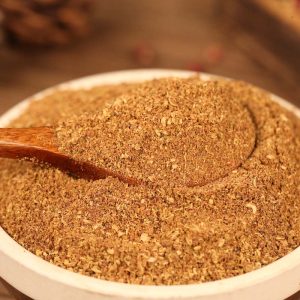
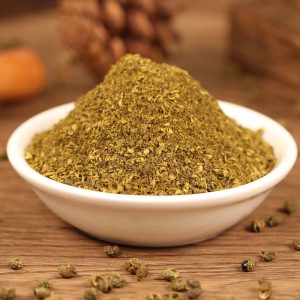
We sell both as whole peppercorns and as powder.
Whole gives you options that ground does not. Toast the peppercorns dry before use and the aroma lifts noticeably. Put them in a spice bag and pull them out. Infuse them in oil and strain. You also control how much husk texture reaches the finished dish, which matters more than people expect.
Ground is for when it has to disappear: a dipping powder, a dry rub, a seasoning blend, mapo tofu finished with a dusting on top.
One warning about ground. The numbing compounds are a family of amides, and they are less stable than the aromatic oils that sit alongside them. A powder that still smells strong can have lost much of its tingle. If your dish stopped numbing the way it used to, an old jar is the first thing to check, not the recipe.
Buy ground in quantities you will finish. Buy whole if you use it slowly.
Four practical points
Toast whole peppercorns before grinding. A dry pan, medium heat, until they smell. That step makes a larger difference than any grade difference between suppliers.
Sift after grinding. The husk carries the aroma and the numbing. Twigs, thorns and the small black seeds contribute nothing but grit, and the seeds in particular are worth removing.
Add ground Sichuan pepper late. Long cooking drives off the aromatics. Whole peppercorns go in early, a pinch of powder goes on at the end.
Do not leave whole peppercorns loose in a dish the customer eats straight from the bowl. A diner who has never had Sichuan pepper, who bites one whole, gets a mouthful of husk and a numb tongue for ten minutes and concludes the kitchen made a mistake. Use a spice bag, strain the oil, or grind it. The numbing is a feature when it is spread through the dish and a complaint when it arrives all at once.
That last one is the most common way a Western kitchen gets Sichuan pepper wrong, and it has nothing to do with which grade you bought.
Buying
Both come in food-grade bags, from 250g up to 25kg. Tell us the pack size you want, because it changes the quote.
Our wholesale minimum is 5 kg per product. For Sichuan pepper that is a lot, since it is used in grams rather than handfuls, so unless you are a manufacturer take 5 kg of one and decide whether you need the other before doubling up.
Send us the product name, the quantity, the packaging and the destination country. If you are deciding between red and green, tell us the dish and we will tell you which one, or that you need both.