
Cutting dried chilies into sections may look like nothing more than shortening whole pods, but the process takes more care than it seems
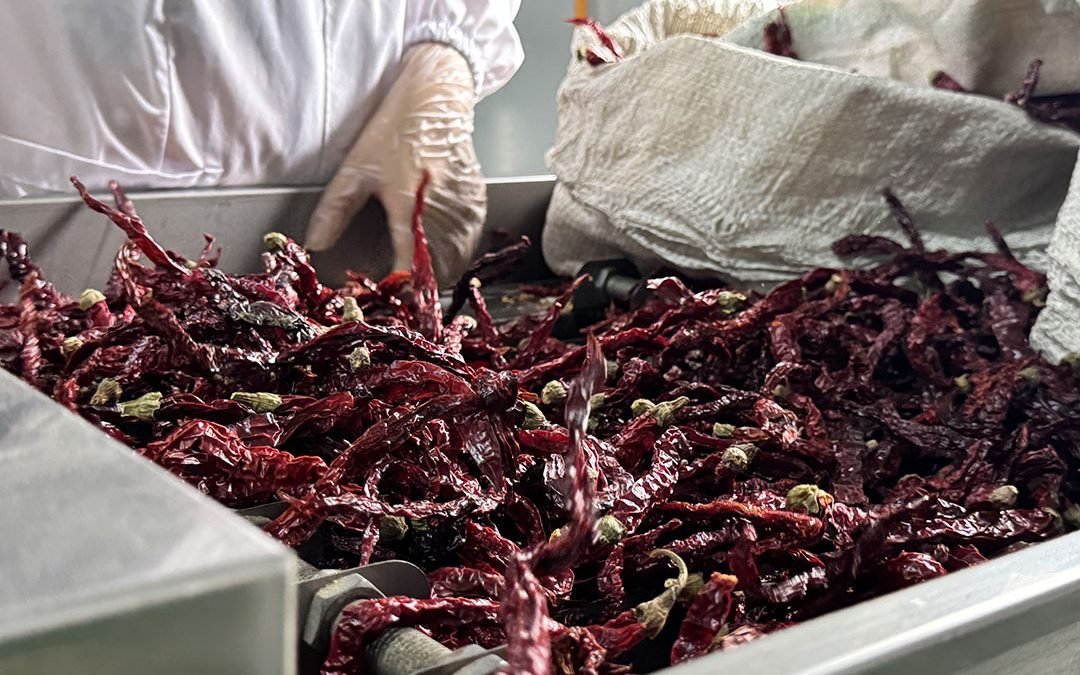
Cutting dried chilies into sections may look like nothing more than shortening whole pods, but the process takes more care than it seems. As dried chilies move through the cutting equipment, the feeding pace, blade spacing, and operating speed all need to work together. Feed them too quickly, and the pods may press together or get tangled, leaving uneven cuts. With a steady rhythm, the sections come out more consistent, with fewer broken pieces.
Chili sections are useful for more than easy handling. Once the skin and seeds are exposed, the aroma is released more directly, and the pieces heat more evenly in the pan. In dry pots, braised dishes, and simmered sauces, sections of different lengths can bring different textures and release their aroma at different speeds. For kitchens that follow measured recipes, uniform sections also make it easier to control each portion.
Cutting is not simply about breaking the pods apart. It is about turning whole chilies into a form that works better for their next use. The machine handles the repeated cutting motion, while the operator watches the condition of the dried chilies and manages the feeding pace. Behind an ordinary-looking chili section is an understanding of both the ingredient and the equipment. Done well, this step adds care and reliability to the journey from raw chili to the table.
Do you prefer whole chilies slowly releasing their aroma, or chili sections going straight into the pan?