Guizhou Roasted Chili Pepper: The Chinese Chili Product Almost Nobody Exports
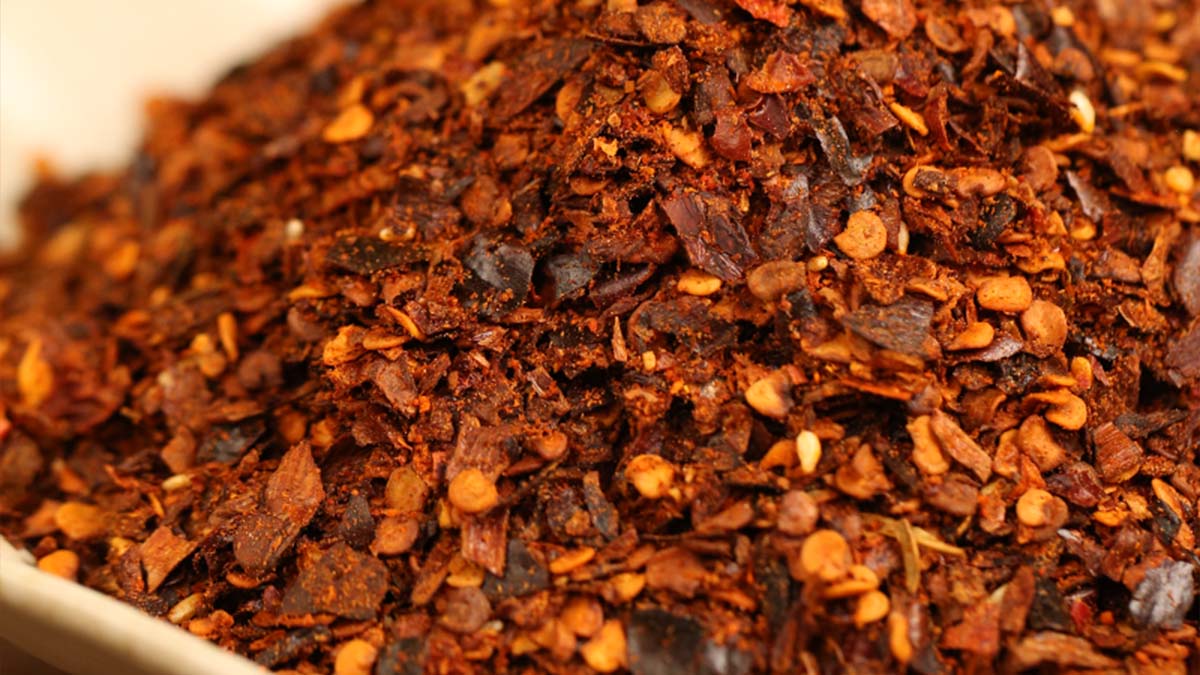
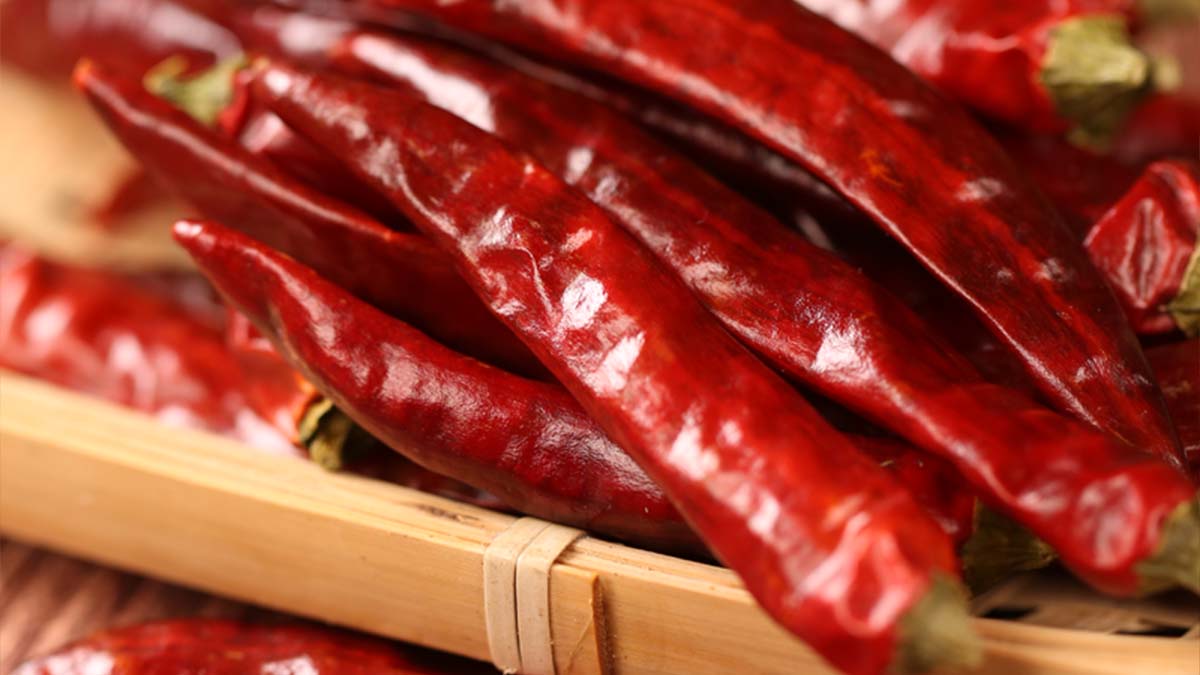
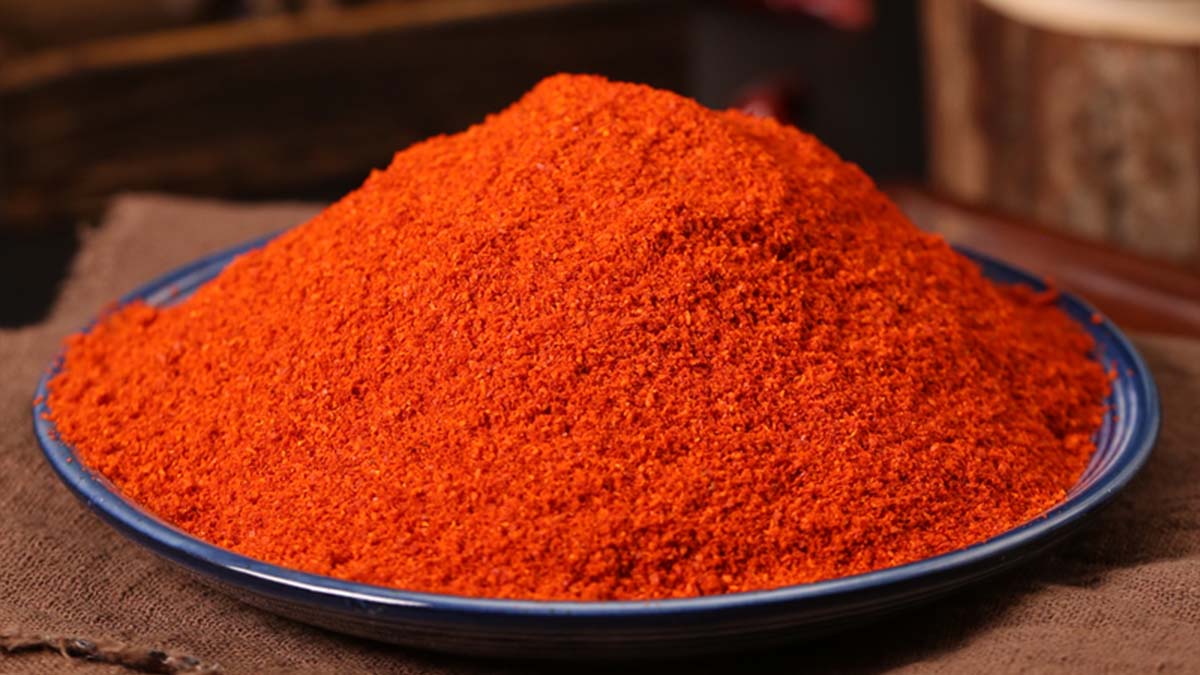
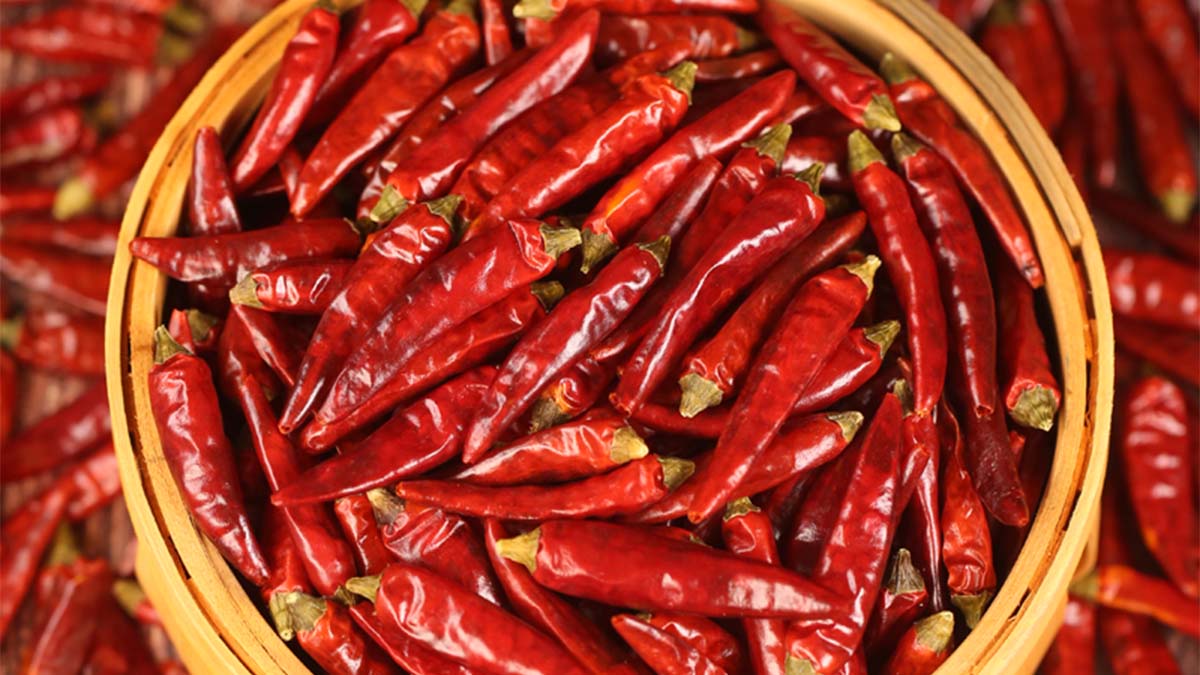
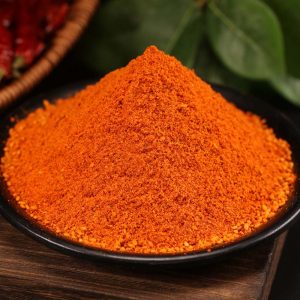
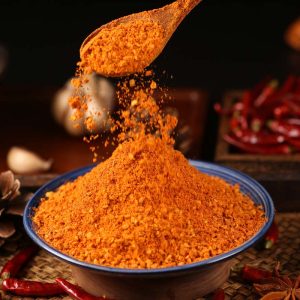
If you buy Chinese chili powder, you are almost certainly buying chili that was dried and then ground. Guizhou roasted chili pepper is chili that was dried, then toasted over fire, then pounded. Two extra steps, and the result is a different ingredient.
Locally it is called hu lajiao. It is not a specialty item here. It sits on the table in ordinary restaurants the way salt does elsewhere, and it is one of the few things in our catalog a US buyer has almost certainly never tasted.
How it is made
Traditionally, whole dried chilies are turned over a wood fire until they carry two smells at once: the chili itself, and the scorch. That second smell is the whole point, and the window for it is narrow – stop early and it is just warm chili, go too far and it is ash.
The toasted pods are then broken down in a stone mortar, or rubbed apart by hand. Some households still use an older method where the chilies go into a length of bamboo and get pounded with a thick stick.
Pounding rather than milling matters more than it sounds. The texture stays uneven, with flakes and coarse fragments mixed together, and that unevenness is part of how the finished dipping bowl feels in the mouth. A perfectly uniform powder tastes flatter even when the raw material is identical.
What it is actually for
In Guizhou, hu lajiao is the base of zhanshui, the dipping bowl that comes alongside hot pot, boiled vegetables, boiled meat and tofu.
The plainest version has no oil in it at all. Roasted chili powder, chopped spring onion and garlic, salt, a little soy sauce, and then broth from the pot or simply hot water, stirred together. Because it is oil-free it is sometimes called su lajiao zhanshui, the plain or vegetarian dip, and it is the standard partner for boiled vegetables and stewed dishes. The taste is sour-hot and clean, and the chili itself stays slightly crisp with a toasted finish.
That is the honest use case. Not a rub, not a finishing spice, not a substitute for paprika.
For a restaurant in the US, the interesting part is that the dipping bowl is a customer-facing ritual. The diner assembles it. It gives a hot pot or a boiled-dish menu something to do at the table, and it costs very little per cover.
A few other places it works: on grilled vegetables or grilled corn, where the roasted note does not fight the char; stirred into a cold noodle dressing; in a dry dipping powder for skewers alongside cumin and Sichuan pepper.
What it is not for
Two things, because this is where people waste money.
Do not use it as a general-purpose chili powder in cooking. Long simmering flattens the roasted aroma you paid for. If it is going into a braise for forty minutes, buy ordinary ground chili and keep the roasted one for the table.
Do not use it to make chili oil. The toasting has already happened. Heating it again in oil pushes it toward bitter and destroys the thing that made it worth buying. For chili oil, use coarse ground chili made for that purpose.
Putting it on a menu that has never had it
The obstacle is not taste. It is that nobody on your floor staff knows what to tell a table.
Serve it already mixed with broth in a small bowl rather than as a dry powder in a shaker. A dry red powder next to the plate reads as danger. A small bowl of dark dipping sauce reads as sauce.
Give it a menu name and one sentence of description. “Guizhou roasted chili dip” beats “chili powder.” And start with one dish rather than the whole menu.
Buying it
Roasted chili is more perishable in flavor than plain chili powder. The aromatic compounds you are paying for came out during toasting, and they do not last forever in an open bag.
The practical consequence is to buy less, more often. Do not take a year’s supply for a better unit price and then serve month-eleven product to a customer tasting it for the first time.
We pack it in food-grade bags, from 250g up to 25kg. Tell us the pack size you want when you ask for a price, because it changes the quote.
Our wholesale minimum is 5 kg per product. For roasted chili in particular we would push a first-time buyer toward exactly that, not more. Taste it, put it in front of twenty customers, then decide.
Why you have probably never seen it
Roasted chili is regional in a way most Chinese chili products are not. Sichuan cooking is well established in the US and its ingredients traveled with it. Guizhou cooking largely did not travel, so its ingredients did not either.
That is a commercial argument as much as a culinary one. If you want something on a Chinese menu that your competitors on the same street do not have, this is a more defensible answer than another chili crisp.
Send us the product name, the quantity, the packaging you want and the destination country, and we will quote.