Whole, Segments, Threads, Flakes or Powder: Which Form to Order
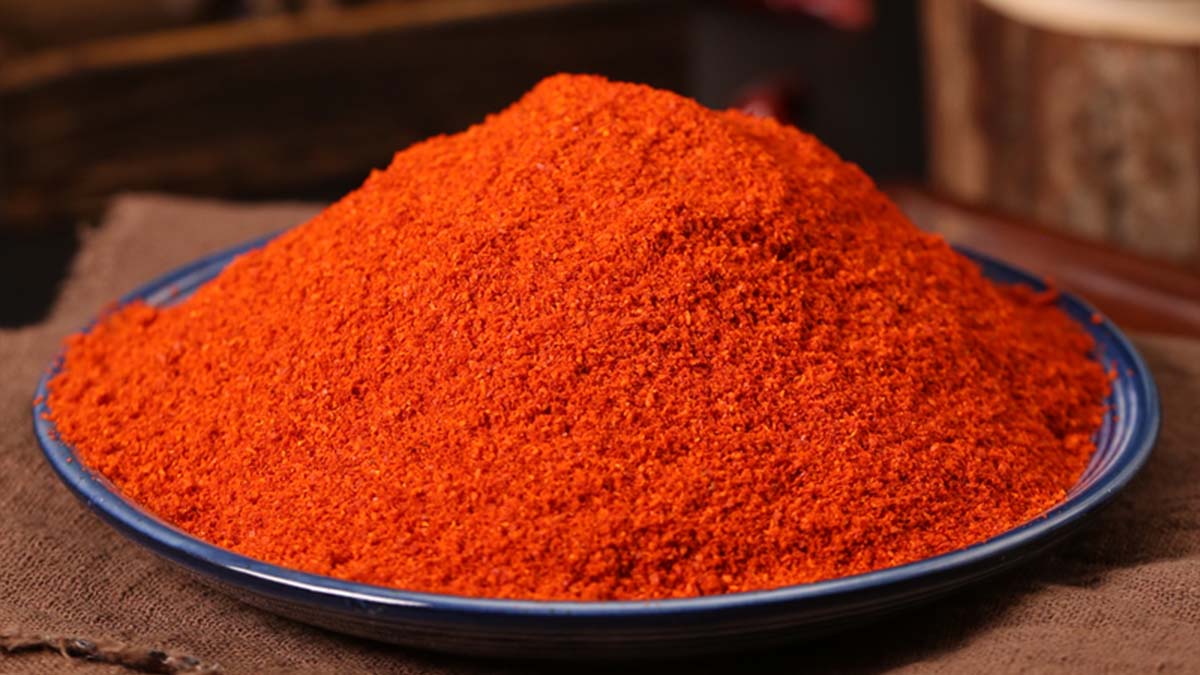
The same chili is sold in six forms. They cost different amounts, they behave differently in a pan, and the words for them are used loosely enough that buyers regularly order one and expect another. Powder and flakes in particular get treated as the same word, and they are not.
Whole
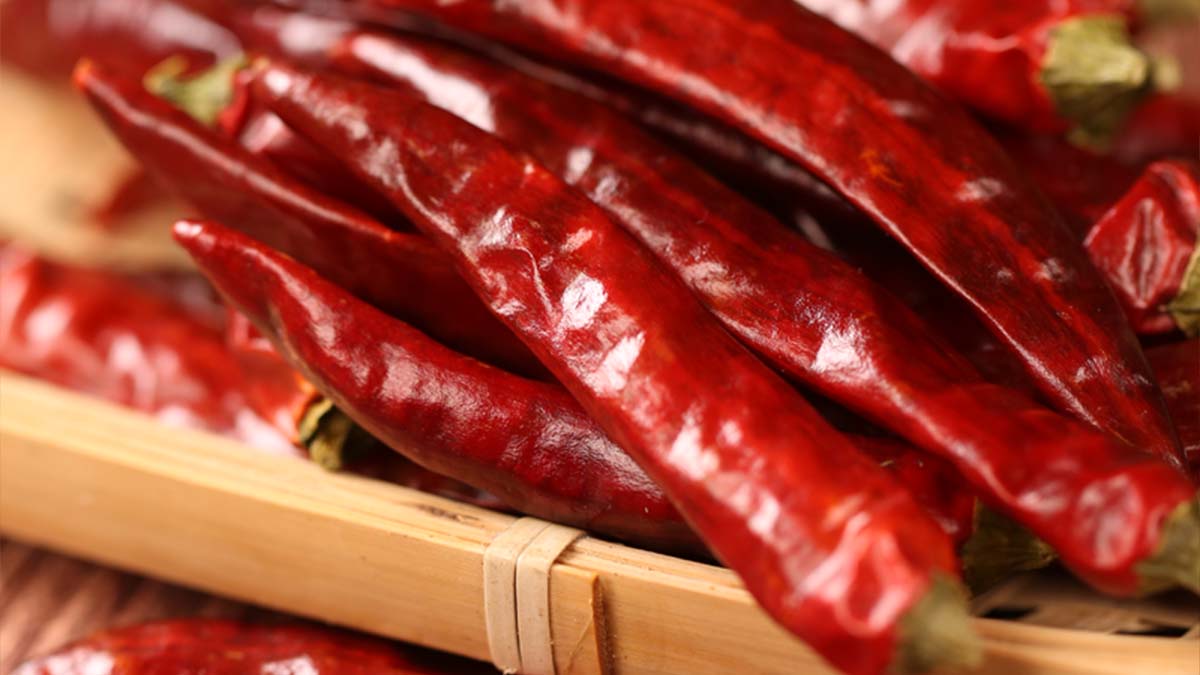
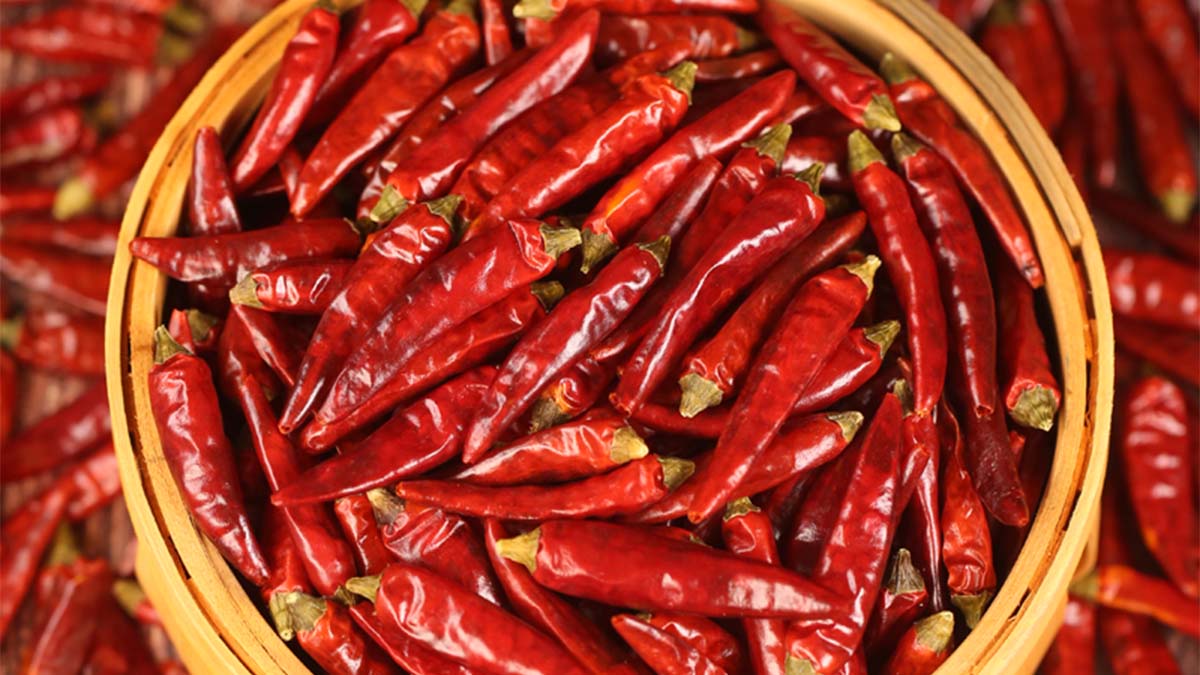
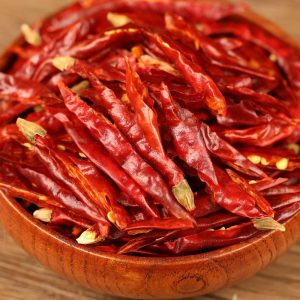
Whole dried peppers are the most flexible thing you can buy and the least convenient. Nothing has been decided for you: cut them, tear them, toast them, grind them, or drop them into oil intact.
Buy whole when you want the pepper visible in the finished dish, when you grind in-house and want control over the grind, or when you are testing a variety and do not yet know what form you need.
Do not buy whole if you are a restaurant kitchen with no grinder and no time. You will end up cutting chili by hand during service, which nobody enjoys twice.
Whole is also the cheapest way to buy chili by weight. Nothing has been done to it beyond drying and sorting. Everything below costs more, and the extra is labor.
Segments
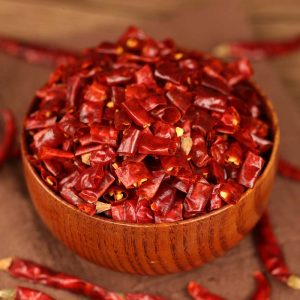
Segments are whole peppers cut into short pieces, seeds mostly still present. This is the form most Chinese restaurant kitchens buy.
The reason is straightforward: the pepper is already the right size for the wok, and it still looks like chili in the bowl. You get the appearance of whole chili without anyone standing at a board with scissors.
Segments are available in Xinyidai, Erjingtiao, Huaxi, Mantianxing and Xiaomila, which covers mild through extra hot.
One caution. Segments include the seeds, and seeds darken and turn bitter faster than flesh does. If your process puts chili into hot oil and leaves it there, run a test batch first. Some kitchens prefer whole peppers with the seeds shaken out.
Threads
Threads are chili cut into fine strips. They are a garnish and a texture, not a heat source.
Threads go on top of a finished dish, into cold dishes, or into a filling where you want chili to read as strands rather than specks. They are also the form most often bought by someone who has seen a photograph and does not yet know what it is for.
Threads are available in Huaxi, Tiaozi and Xiaomila – one mild, one medium, one extra hot.
Do not buy threads to make chili oil. You are paying for a knife cut that disappears the moment it hits hot oil.
Coarse flakes
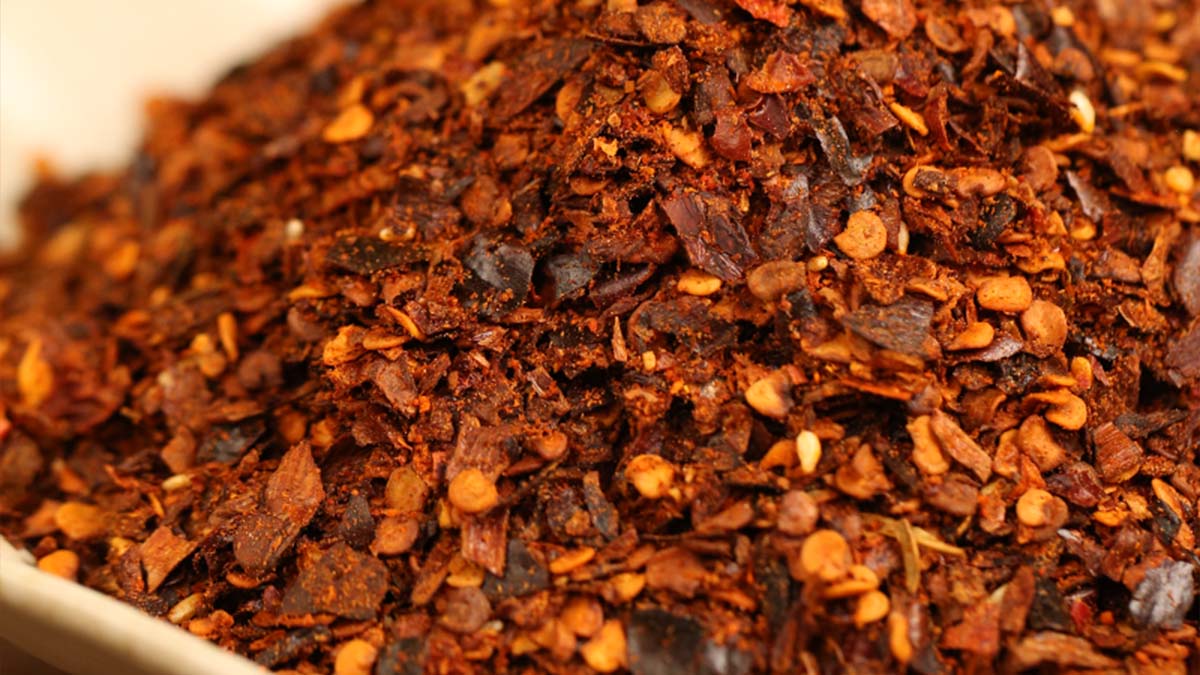
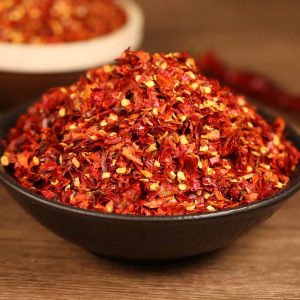
Flakes are crushed rather than ground: irregular pieces with the seeds still visible, each one about the size of a small fingernail. This is what most Western buyers mean when they say crushed red pepper.
Flakes work where you want visible chili and a slower release of heat – on a pizza, in a chili crisp, stirred through at the end of cooking. They also hold their appearance in oil far better than fine powder, which clouds it.
We pack Erjingtiao coarse flakes for aroma and Xiaomila crushed flakes for heat.
Coarse ground
Between flakes and fine powder. The easiest way to picture it is the seeds inside the pod – our medium-coarse grind comes out about that size. The texture is still clearly visible, but the particles are small enough to suspend in a sauce rather than sit on top of it.
This is the form we recommend most often to customers developing a chili oil. It releases color and aroma into the oil while leaving enough solid material at the bottom of the jar to look like something. Fine powder in chili oil settles into a sediment that customers mistake for a defect.
Fine ground
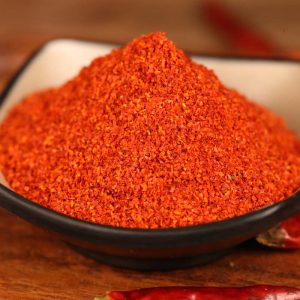
Fine powder disperses completely. Ours runs at about 40 mesh, which is where the particles stop being a texture and start being a color. We also grind an extra-fine version, finer again, for formulators who need the chili to disappear into the product.
Use fine when the chili should be tasted and not seen: sausage seasoning, a marinade, a dipping powder, a soup base. The extra-fine Xiaomila powder is the one to ask about if heat has to vanish completely into a formulation.
Two warnings on fine powder.
First, it is the easiest form to be cheated on. Powder hides stems, hides broken low-grade material, hides a blend sold as a single variety. If you are buying fine powder from a new supplier, buy the whole pepper of the same variety at the same time and compare it against what comes out of your own grinder.
Second, fine powder loses aroma faster than any other form, because grinding multiplies the surface area exposed to air. Buy fine ground in quantities you will finish, not in quantities that get you a better unit price.
A rough way to choose
Want control, or grind in-house: buy whole.
Restaurant wok cooking with the chili visible: buy segments.
Garnish, cold dishes, texture on top: buy threads.
Visible chili with slower heat, chili crisp: buy coarse flakes.
Chili oil, or sauces that need body: buy coarse ground.
Rubs, marinades, dipping powder, formulation: buy fine ground.
What we would tell a first-time buyer
Order 5 kg each of two forms of the same variety – whole and coarse ground, for instance – and cook with both. Our wholesale minimum is 5 kg per product for exactly this reason. You will learn more in one afternoon than from any specification sheet, this one included.
Send us the product name, the quantity and the destination country and we will quote. If you are not sure which form you need, describe the dish instead. We can work backwards from that.