Eight Dried Chili Varieties, and What Each One Is Actually For
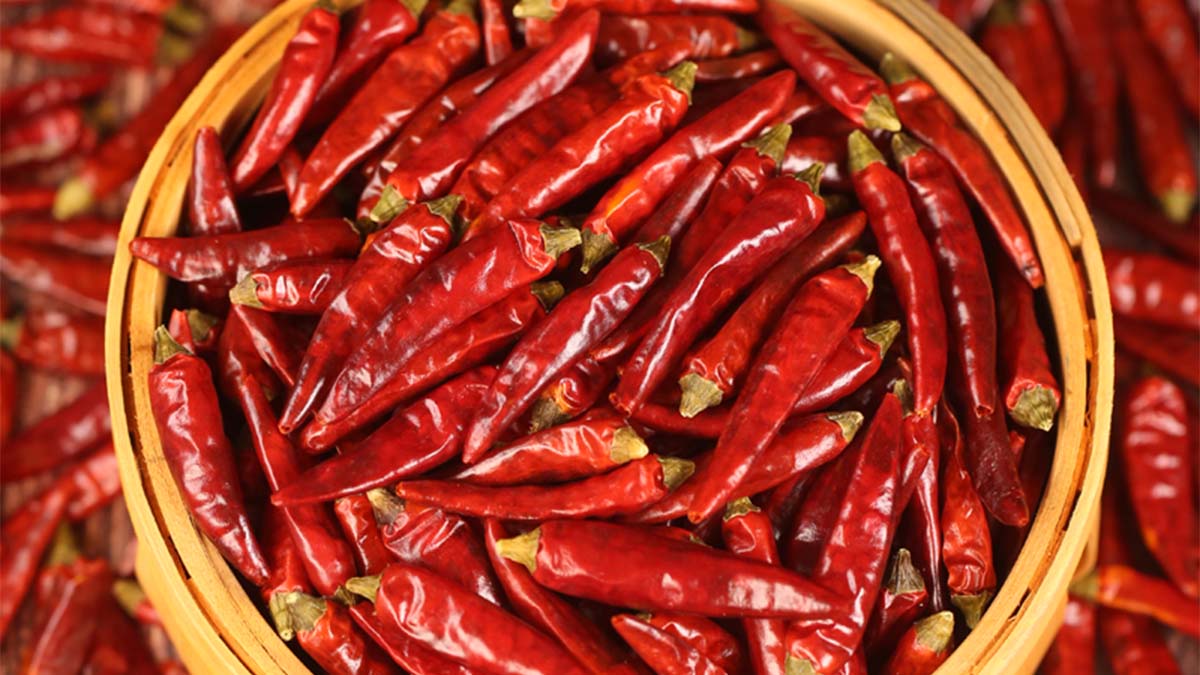
Most buyers open with one sentence: “I need dried chili, what do you have.” That is hard to answer well, because these eight varieties are not eight versions of the same thing. Two of them will take the roof of your mouth off. Four are barely hot and are bought almost entirely for smell and color. Choosing wrong does not ruin a dish so much as quietly make it boring, and you find that out three weeks after the container lands.
The heat map
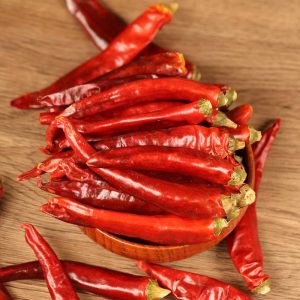
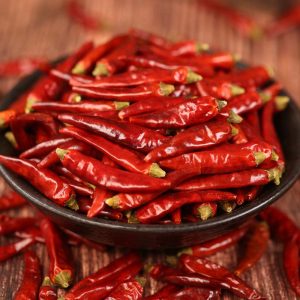
Erjingtiao – mild. Aroma. The fragrant backbone of a lot of Sichuan and Guizhou cooking.
Huaxi – mild. Thick flesh, heavy oil content, deep red. Hot but never harsh.
Xinyidai – mild. Aroma and even color.
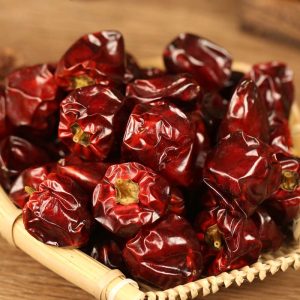
Denglongjiao – mild. Rounded lantern shape, strong chili smell.
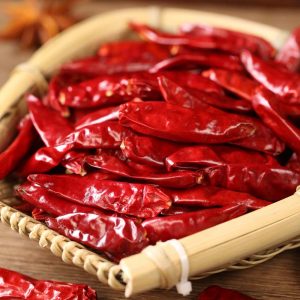
Tiaozi – medium. Aroma with real heat. Used in Guizhou dipping seasonings.
Zidantou – medium. Short, thick, bullet-shaped pod grown around Zunyi and Zhijin.
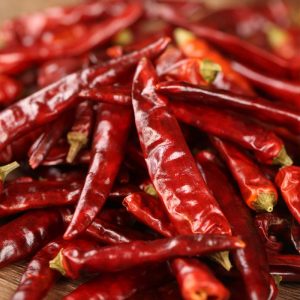
Mantianxing – extra hot. Heat and aroma together, which is rarer than it sounds.
Xiaomila – extra hot. Straight heat.
The four mild ones are not interchangeable
They sit in the same heat band and buyers often treat them as one product with four names.
Erjingtiao is what you specify when aroma is the point. It is mild enough that most people would not call it spicy, and it carries an unusually high proportion of aromatic compounds along with a lot of red pigment. That combination is why it ends up in chili oil, where the oil is supposed to smell of chili rather than simply burn.
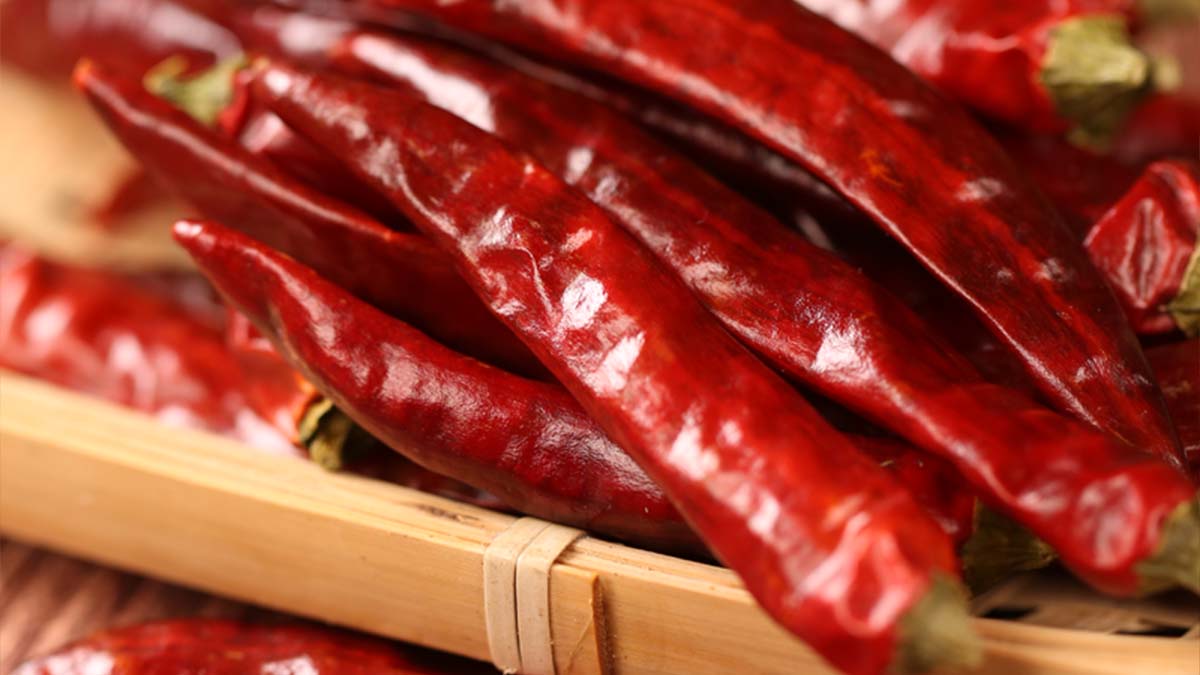
Huaxi takes its name from the Huaxi district of Guiyang, where it has been grown long enough to be treated as a local specialty. The dried pod is thick-fleshed, oily and deep red, with a hooked tip. The local description is “hot but not fierce” – moderate heat, plenty of fragrance. It behaves predictably in the wok and scorches less readily than the hot varieties at the same oil temperature.
Xinyidai is mostly sold as segments rather than whole.
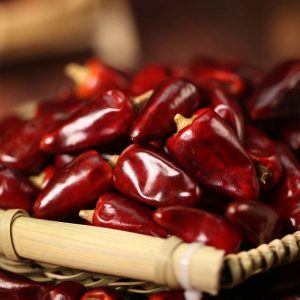
Denglongjiao is the odd one out. Round, almost lantern-shaped, bought because you can see it in the finished dish. In a dry pot or a chili chicken, whole Denglongjiao reads as an ingredient rather than as debris.
One piece of advice that will save somebody money: do not buy Denglongjiao if you are going to grind it on arrival. You are paying for a shape and then destroying it. Buy Huaxi or Erjingtiao for grinding and keep Denglongjiao for dishes where the pepper stays whole.
The two medium ones
Tiaozi and Zidantou are where most Western kitchens should probably start, and almost nobody does, because “medium” sounds like a compromise.
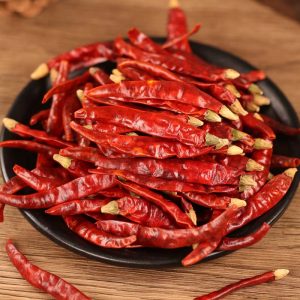
Tiaozi carries both heat and a pronounced smell, and it is used locally in Guizhou chili condiments and dipping seasonings – the everyday cooking here, not the export-catalog version of Chinese food. If you are developing a dipping powder or a chili crisp and want one chili to do most of the work, Tiaozi is the sensible single-variety answer.
Zidantou does a similar job with a short, thick pod. It grows mainly around Zunyi and Zhijin, and the shape is where the name comes from: it looks like a bullet.
The two hot ones, and the difference people miss
Xiaomila and Mantianxing are both extra hot. They are not the same purchase.
Mantianxing brings heat and aroma at once. That combination is less common than you would expect. For a hot pot base, where the broth has to smell of chili from across the room while also being genuinely hot, Mantianxing earns its place.
Xiaomila is heat. It is very good at heat. It is not what you reach for when you want the room to smell of toasted chili.
Which leads to the second piece of advice: do not build a chili oil or a hot pot base on Xiaomila alone. You get the burn and lose the smell. Blend it. Our Three-Variety ground blend is Erjingtiao, Huaxi and Xiaomila together, and that combination exists precisely because no single variety covers aroma, color and heat at the same time.
What actually differs between suppliers
The variety names are regional and widely used. Nobody owns Erjingtiao. What differs from one supplier to the next is the sorting, the drying, the moisture at packing, and how much stem and broken material ends up in the bag.
Moisture is the one worth asking about. Dried chili is normally traded at around fourteen percent. Wetter than that and the pods mold in a warm hold. Drier and they turn brittle and arrive as fragments. If a supplier cannot tell you where they sit, that is worth noticing.
How to tell us what you want
We get inquiries that say “medium hot, good quality, best price.” That gives us nothing to quote against. What helps:
- A variety name, or the job. Either “Erjingtiao, whole” or “I am making chili oil and I want it aromatic rather than hot.” Both are answerable. “Dried chili” is not.
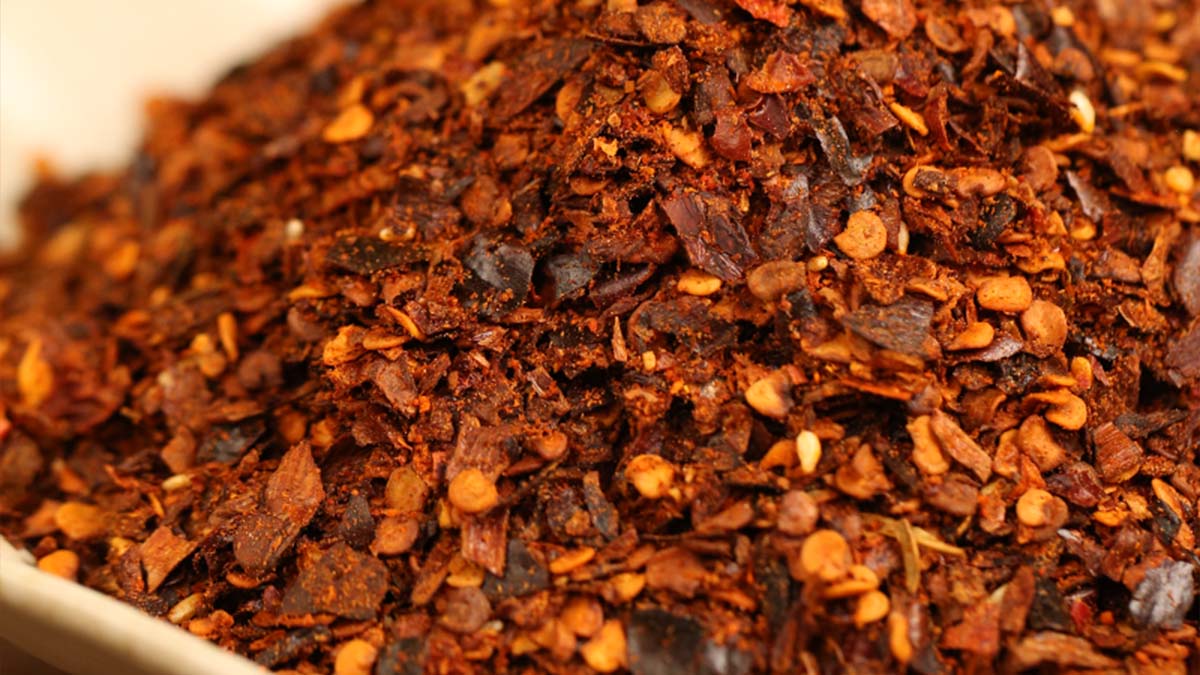
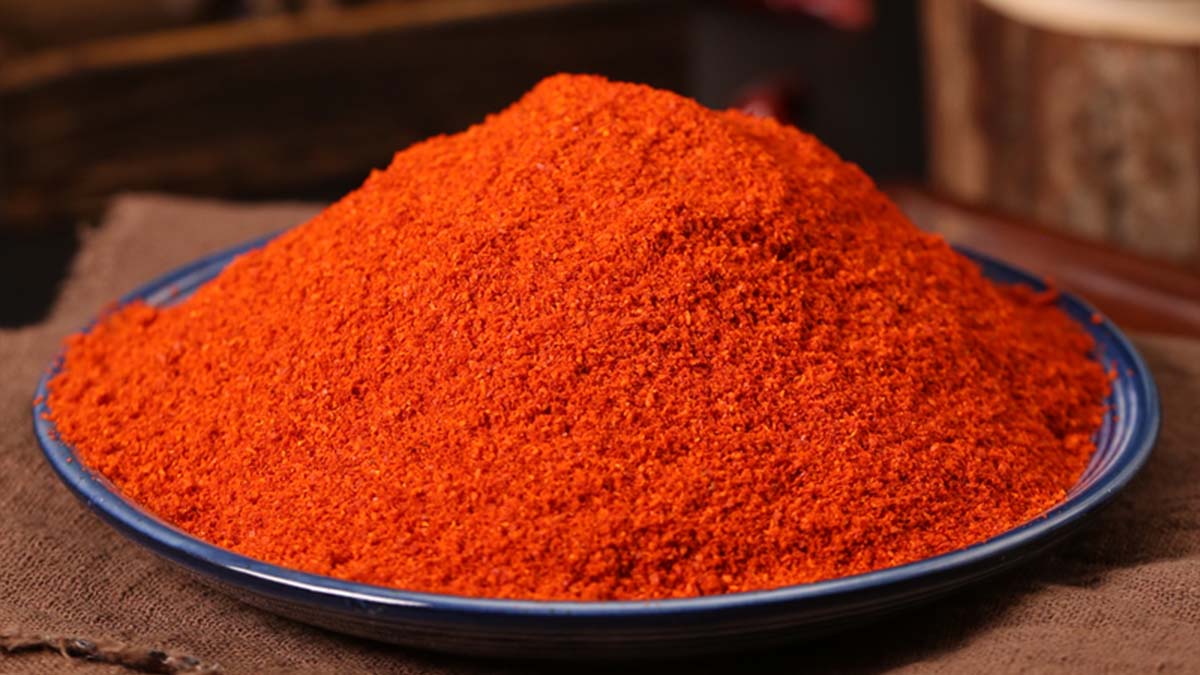
- The form. Whole, segments, threads, flakes, coarse ground and fine ground are different products at different prices.
- Quantity and destination country. We cannot quote freight without the destination, and our wholesale minimum is 5 kg per product.
That 5 kg minimum is per product, not per order. It exists so a new customer can take four varieties, 5 kg each, cook with all of them, and decide with their own hands instead of from a photograph.
Tell us what you cook and we will suggest two or three to test. We would rather you tested 5 kg of the right one than 100 kg of the wrong one.