
A heat sealer looks unimpressive. A bag goes in, two seconds later it comes out with a clean, tight seam. But those two seconds quietly decide how the chili inside will taste weeks from now.
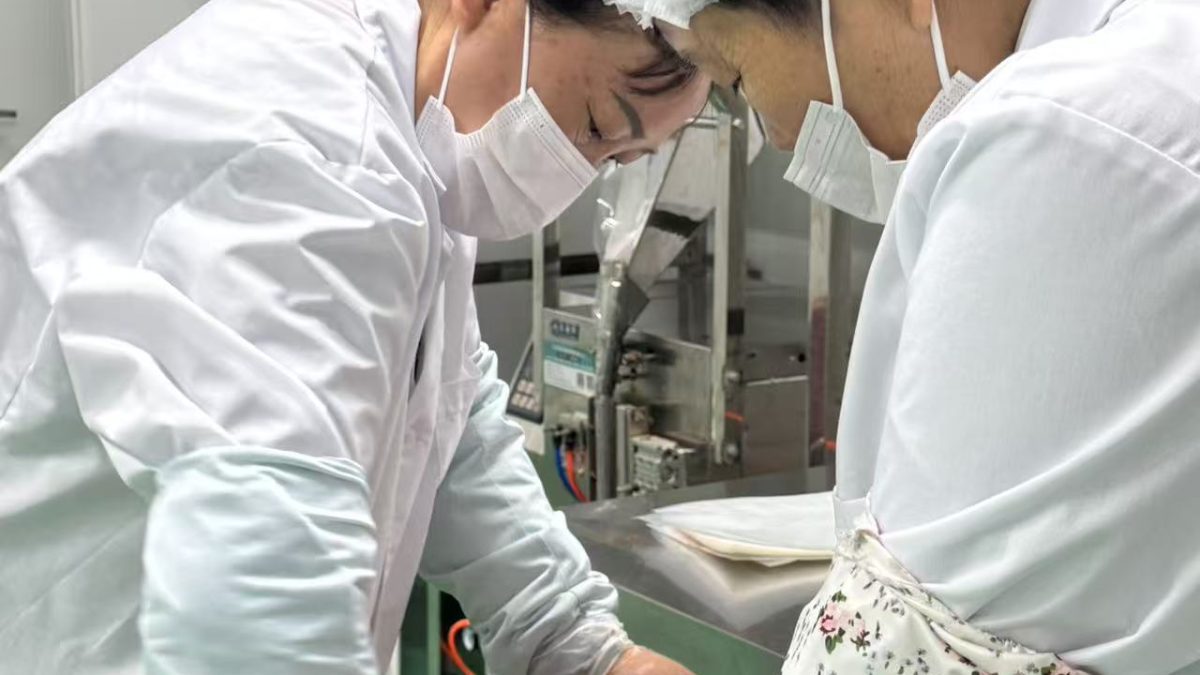
A heat sealer looks unimpressive. A bag goes in, two seconds later it comes out with a clean, tight seam. But those two seconds quietly decide how the chili inside will taste weeks from now.
Here’s the science in plain terms. Dried chili flakes are thirsty — they pull moisture out of the air surprisingly fast. Along with moisture comes clumping, faded color, and a slow loss of the volatile compounds that make a good chili smell alive. Aroma doesn’t vanish all at once; it leaks away a little every day the flakes sit exposed.
Sealing each bag right after portioning stops that clock. The seam keeps outside humidity out and keeps the pepper’s own fragrance in. No preservatives are needed when the barrier does its job — the ingredient list stays exactly what it should be: chili.
There are small things we watch at the sealing station that buyers never see. The seam has to be even, edge to edge, with no wrinkle or gap. A bag that looks sealed but isn’t will betray itself later, so every seam gets a quick check before the bag joins the finished pile. It’s repetitive work, and it deserves patience anyway.
Grown in Guizhou, China, these chilies earned their aroma in the field and the drying room. The sealer’s modest job is to guard it on the road to you.
One tip for your own kitchen: once a bag is open, press the air out and clip it shut — the flakes will thank you.
Did you know a simple seam mattered this much?