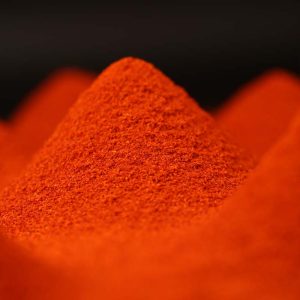
Good chili powder isn’t made in one step. It’s protected through every step, right up to the moment the bag closes.
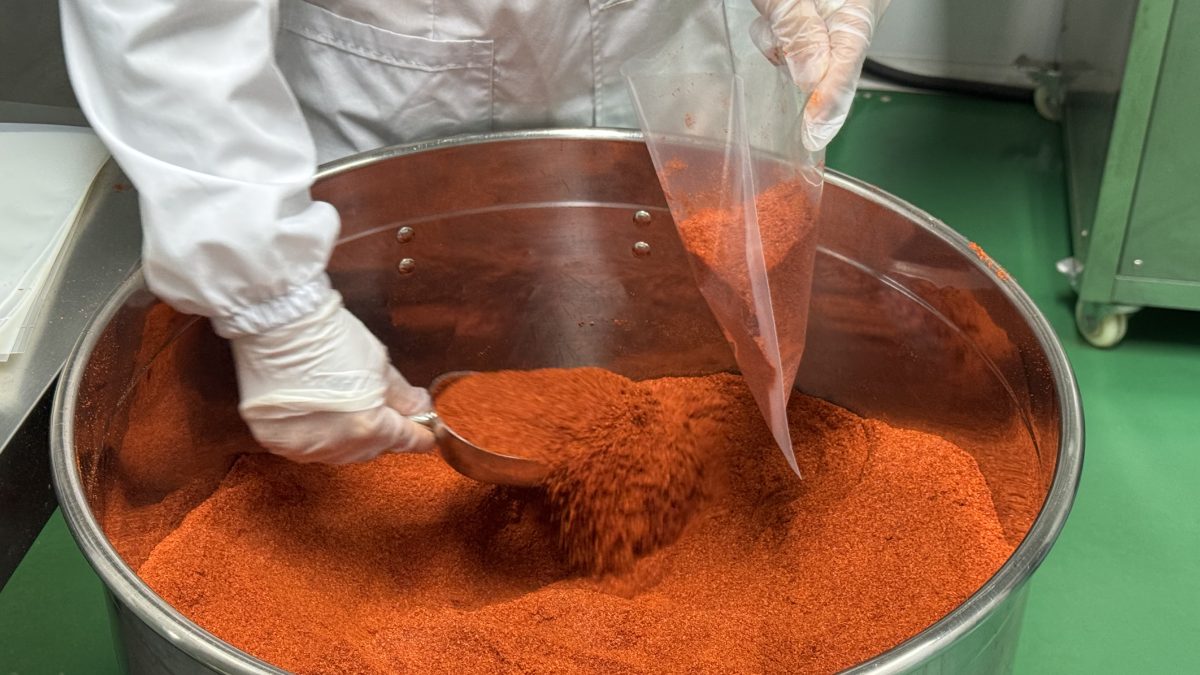
Here’s something most people never think about: the moment dried chilies are milled into powder, the clock starts ticking.
That bold, warm aroma you smell when you open a fresh bag? It comes from fragrant compounds locked inside the pepper’s skin and flesh. Whole pods protect them for months. But once the pepper is ground, every tiny particle is suddenly exposed to air, light, and moisture — and those aromatics begin to fade.
That’s why timing matters so much in a chili facility. The gap between milling and packing isn’t dead time. It’s the most sensitive window in the entire process. Move efficiently, and you capture the pepper at its peak. Wait too long, and the powder going into the bag is already a quieter version of itself.
There’s also the moisture question. Chili powder naturally pulls humidity out of the air. A well-managed packing process keeps exposure short and the environment dry, because moisture doesn’t just clump the powder — over time it dulls the color and flattens the flavor.
And color matters more than people realize. That deep red-orange isn’t just pretty. In the spice world, color is one of the first things experienced buyers look at, because it quietly tells the story of the raw peppers, the drying, and how gently everything was handled along the way.
So bagging powder might look like the simplest step of the day. In reality, it’s the final act of preservation — sealing in weeks of careful growing, drying, and milling in a few steady motions.
Good chili powder isn’t made in one step. It’s protected through every step, right up to the moment the bag closes.
Did you know powder fades faster than whole pods? Save this for your next spice restock.